Falsework Explained: What It Is, How It Differs From Formwork & When You Need It
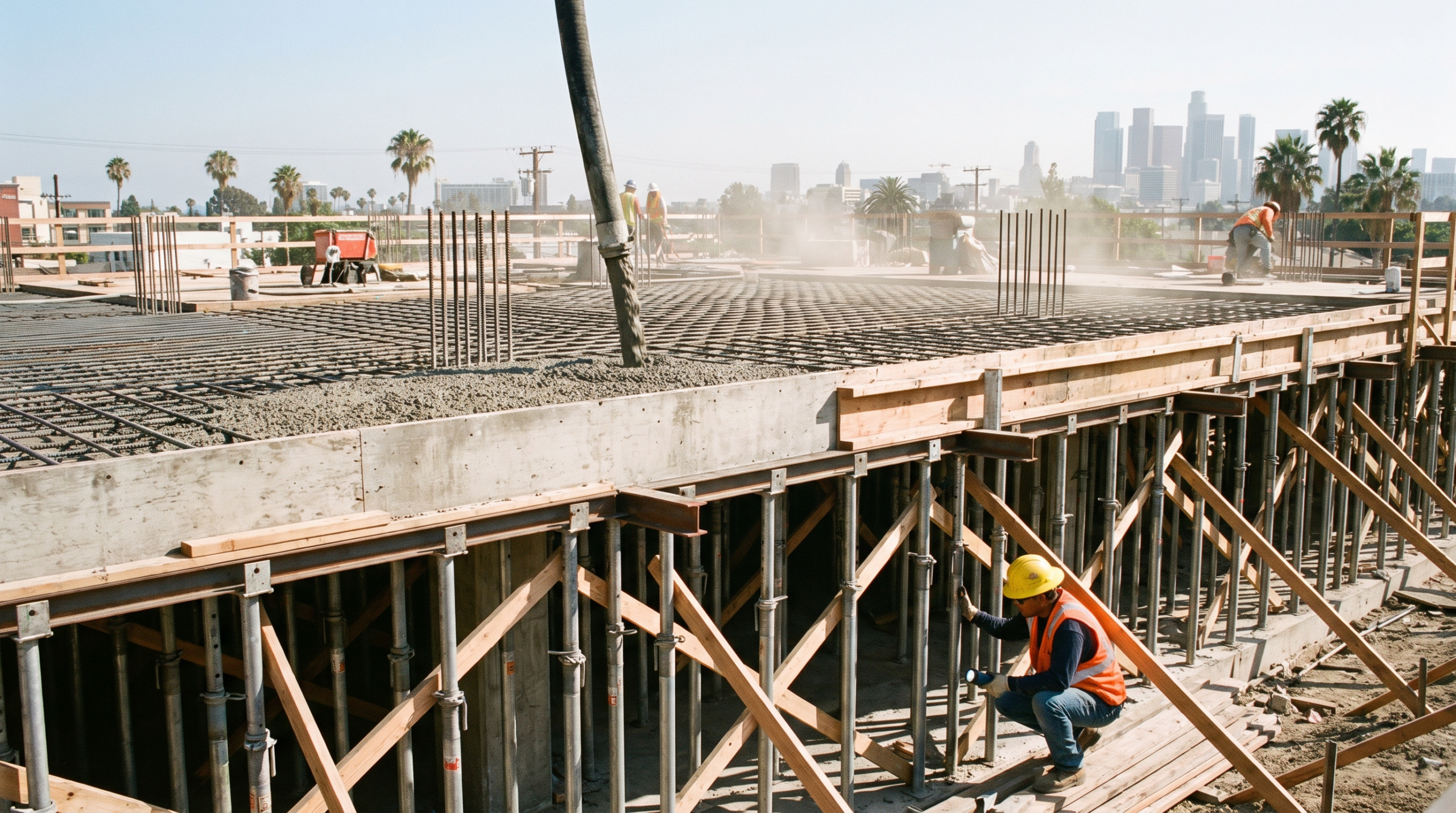
If you have ever watched a crew pour a concrete slab on a second floor or a bridge deck, you have seen falsework at work, even if you did not know the name. Falsework is the temporary structure that holds up the forms and the wet concrete until the concrete can carry its own weight. This guide covers what it is, how it differs from formwork and shoring, and what Cal/OSHA requires before a pour.
What Is Falsework?
Falsework is a temporary support system built under an elevated element, such as a slab, beam or bridge deck, while the concrete is poured and cures. It carries the formwork, the concrete and the construction loads on top of it, and it stays in place until the concrete reaches the strength the engineer specifies.
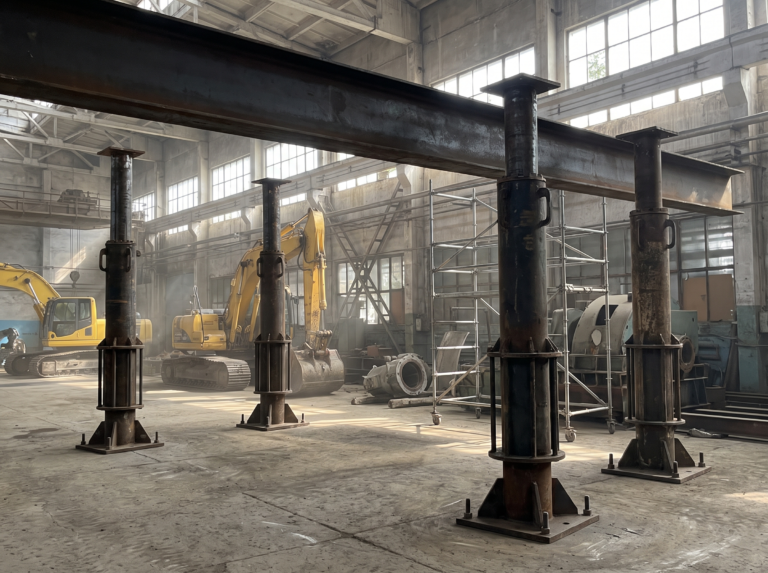
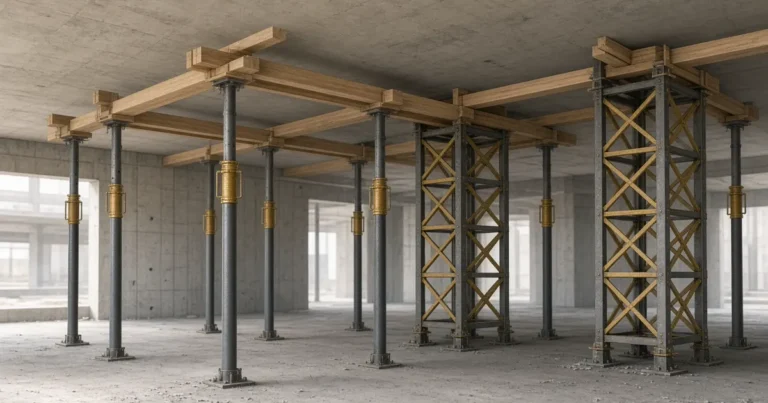
A typical falsework system includes posts or shores, horizontal stringers and beams, diagonal and lateral bracing, base plates or sills to spread the load, and adjustable jacks at the top and bottom to set the final level.
Falsework vs. Formwork vs. Shoring
These three terms get mixed up on job sites, but each does a different job:
- Formwork is the mold. It defines the shape of the finished concrete element.
- Falsework is the temporary support under the formwork. It carries the weight of the forms and the wet concrete.
- Shoring supports an existing structure that is already standing, usually while part of it is removed or modified. It is not used to hold new concrete.
In short, formwork shapes the concrete, falsework carries it, and shoring holds up a building that is already there. Shoring and falsework can look similar in the field because both use posts, beams and jacks, which is why the engineered plan and the purpose of the system matter more than the hardware.
Common Falsework Components
- Posts or shores, the vertical members that carry load down to the base
- Stringers and beams, the horizontal members that span between posts
- Bracing, which keeps the system stable against sway and lateral loads
- Base plates and sills, which spread the load into the ground or slab below
- Adjustable jacks, which set the final height and let the crew strike the forms cleanly. Screw jacks are the most common type; see our screw jack shoring guide for how they are used and extended.
Cal/OSHA Requirements
In California, falsework and formwork for concrete construction are governed by Cal/OSHA Title 8 Section 1717, which covers the design, inspection and removal of formwork and shoring. Falsework that exceeds 36 feet in height requires a permit and an engineered plan before installation, and the falsework must be inspected before concrete is placed.
For the full text of the regulation, see the Cal/OSHA Title 8 Section 1717 page. Always confirm the current requirements with your structural engineer, because project-specific loads and local building department rules can add requirements.
When Falsework Gets Removed
Falsework should not be struck, meaning removed, until the concrete reaches the strength in the engineer’s plan. Removing it early is one of the most common causes of failure on a pour. Strike sequence matters too, because removing supports in the wrong order can overload the elements that are still curing.
When You Need an Engineer
Any falsework that supports an elevated pour needs an engineered design, and the load calculations depend on the concrete weight, the formwork, the construction live load and the height of the support. Golden Scaffold works with licensed structural engineers to produce stamped plans for falsework and shoring. If you need a plan for your next pour, see our shoring engineering services.
FAQs About Falsework
What is falsework in construction?
Falsework is the temporary structure that holds up formwork and freshly poured concrete until the concrete gains enough strength to carry its own weight. It typically consists of posts or shores, stringers, beams, bracing and base plates, often with adjustable jacks for leveling. It is engineered for the specific load of the pour and removed only after the engineer’s strength requirement is met.
What are the two main types of formwork?
Formwork is the mold that gives concrete its shape. The two main categories are traditional or conventional formwork, built on site from panels and lumber or steel, and reusable system formwork, which uses prefabricated panels, forms and frames. Falsework is the support structure beneath that formwork, so both are needed for an elevated slab or beam pour.
What is the difference between falsework and formwork?
Formwork is the mold that shapes the concrete. Falsework is the temporary support that carries the formwork and the wet concrete load. Formwork defines the shape of the finished element, while falsework carries the weight until it can stand alone.
What is slipform formwork?
Slipform formwork is a continuous-pour method where forms are raised gradually as concrete sets, instead of being built in separate stages. It is used for tall, uniform elements such as silos, chimneys and core walls. Because the forms move continuously, the support system has to be designed for that movement.
Golden Scaffold provides licensed, Cal/OSHA-compliant shoring and falsework support for commercial, residential and industrial projects throughout Los Angeles and Orange County (CA License #1109519). Call (424) 476-4426 for a free quote, or read our guide to shoring in construction to see how shoring differs from falsework.